Fitness Trackers for Camping: One Less Battery to Plan Around
On a camping trip, every device competes for space in your charging kit. If you want everyday health tracking rather than maps on your wrist, a small light-powered band offers a different approach.
Decide whether you need a map or a health tracker
A device for navigating a route has a different job from one you wear to track sleep and everyday activity. Write down which job you need before comparing battery figures. Continuous route recording and simple health tracking are not equivalent workloads.
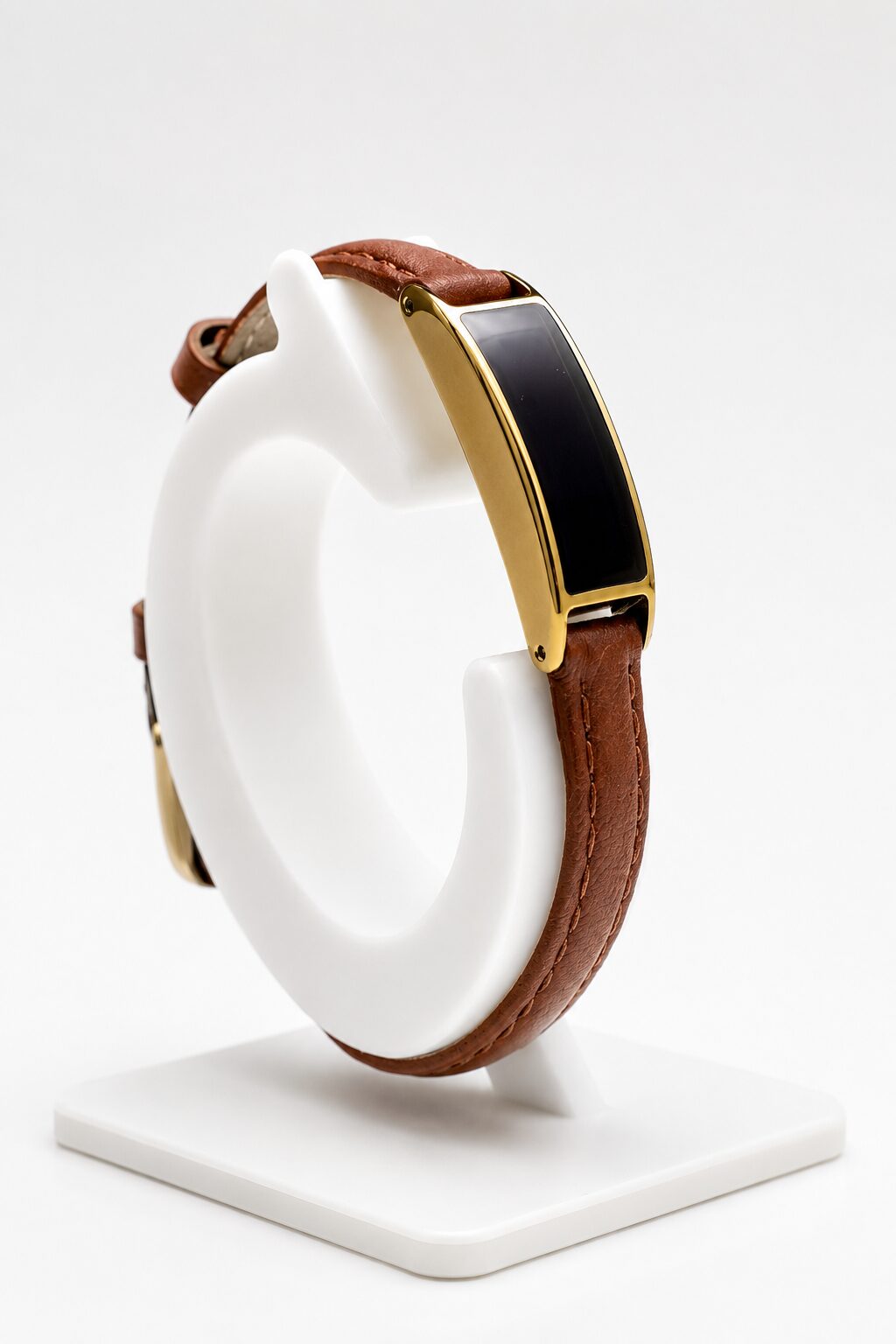
Ray is a screenless health tracker. It is not a replacement for your navigation tools, emergency equipment or a dedicated GPS watch. Its appeal is keeping sleep and activity tracking in a small device while you use other equipment for the trip itself.
Put daylight into the battery plan
Ray uses light to replenish its battery. Under our test settings, about one to two minutes of direct sunlight, ten to fifteen minutes in shade, or roughly an hour indoors by a window replenishes a day's operation. These are test conditions, not a promise that every campsite or cloudy day delivers the same energy.
The panel needs exposure. A sleeve covering the device, a deep pocket or a shaded tent changes the situation. Read the full charging conditions before planning around the numbers. Ordinary indoor lighting is not sufficient.
Reserve matters as well as charging speed
Ray has about two months of battery reserve without light under our stated settings; runtime varies with the parameters you use. Start a trip with a charged device and understand your settings rather than assuming sunlight will fix a low battery at the last minute.
For an overnight or weekend camp, the attraction is less charging administration. For longer trips, confirm your intended syncing routine and data-storage needs before departure. Battery endurance alone does not tell you how long a device can store unsynced records.
Comfort follows you into the sleeping bag
Ray's device weighs seven grams before the band and has no wrist display. It tracks sleep, heart rate, HRV, temperature trends, activity and light exposure. If a bulky watch bothers you in bed, a smaller setup may be worth trying before you spend a night in a tent with it.
Choose around the activities and conditions of your trip, including the product's stated water and durability limits. For a broader packing discussion, see fitness trackers for travel; for nighttime fit, see sleep-tracker comfort.