Health tracker guides
Find a comfortable tracker, compare your options and learn how Ray stays powered.
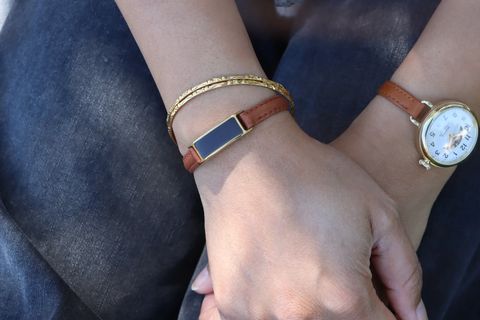 Screenless Fitness Trackers: What You Gain by Losing the ScreenTrack your sleep and activity without another screen lighting up your wrist.
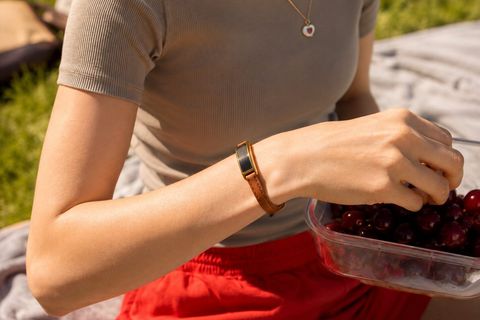 Lightweight Fitness Trackers: Why Weight Matters Beyond the GymA lighter tracker can feel more comfortable when you run, dance or sleep.
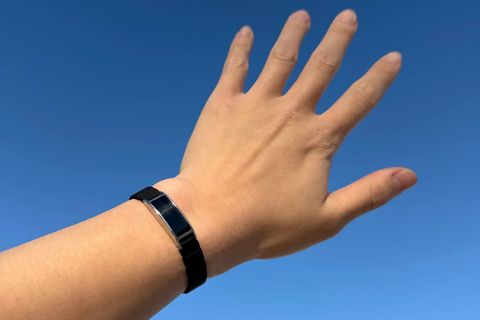 Tired of Charging Your Fitness Tracker? Meet Light-Powered RayTaking your tracker off to charge is easy. Remembering to put it back on is the hard part.
 Fitness Trackers for Small Wrists: Less Bulk, a Better FitFor a small wrist, case size matters as much as strap size.
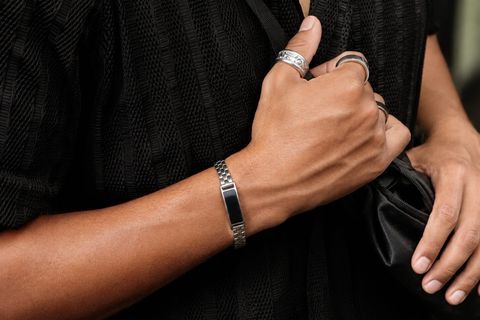 Oura for Your Wrist? A Screenless Alternative to Smart RingsLike the idea of Oura but not the ring? Ray is a screenless wrist alternative, made by Chargerless, not Oura.
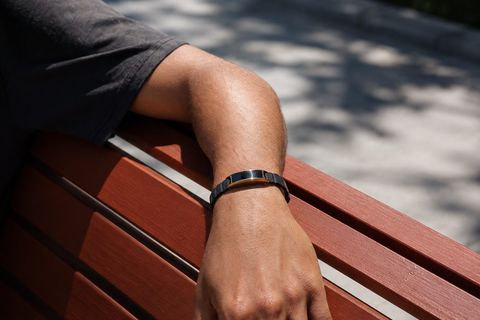 Does Solar Charging Work Indoors? Ray’s Sun, Shade and Window TestsBright daylight beside a window can charge Ray. Ordinary room lighting is not enough.
 Screenless Fitness Trackers for Digital MinimalistsSleep and activity data, without another screen to check.
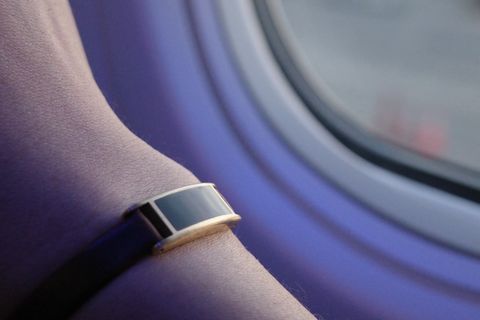 Best Fitness Tracker for Travel: The Case for Leaving the Charger BehindEveryday health tracking without packing another charging cable.
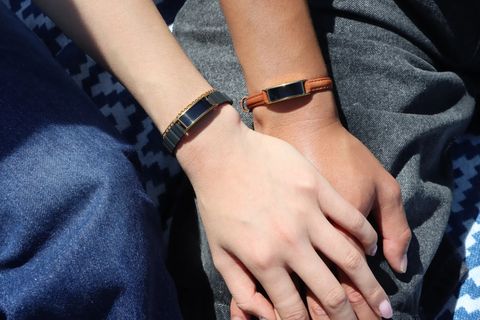 Smart Ring vs Fitness Band: What Changes When You Wear One Every Day?A smart ring keeps your wrists free. A fitness band keeps your fingers free.
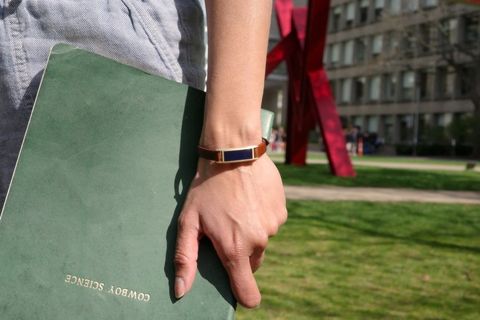 Best Fitness Tracker for Low-EMF Buyers: More Control, Less Wireless ActivityA tracker’s EMF comes mostly from its Bluetooth time, its power draw and how it charges.
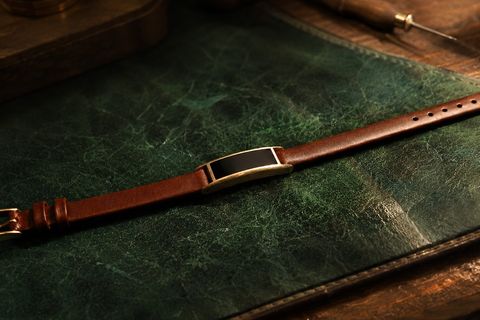 Low-EMF Fitness Trackers: What Bluetooth-Off Actually MeansA Bluetooth-off option gives you control over a tracker’s wireless connection.
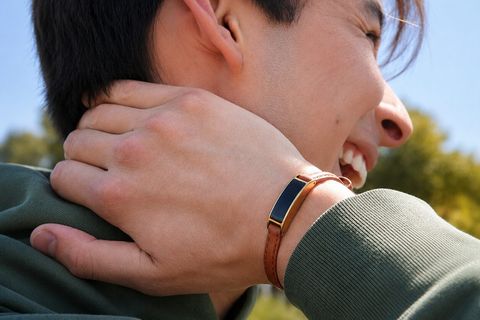 Best Fitness Tracker for Seniors: Less Charging, Less FussEveryday health tracking with fewer charging chores.
- Stylish Fitness Trackers That Don’t Look BulkyThe easiest tracker to style is one that does not take over your wrist.
- A Fitness Tracker for Women Who Don’t Want a Bulky WatchIf a bulky watch has kept you from wearing a tracker, look at the case and band together.
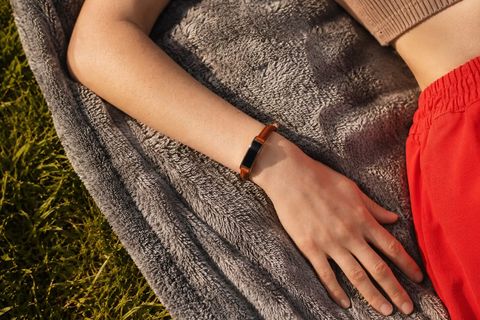 Sleep Trackers for Side Sleepers: Less Bulk in BedIf you sleep with an arm under your pillow, a bulky watch can press into your wrist.
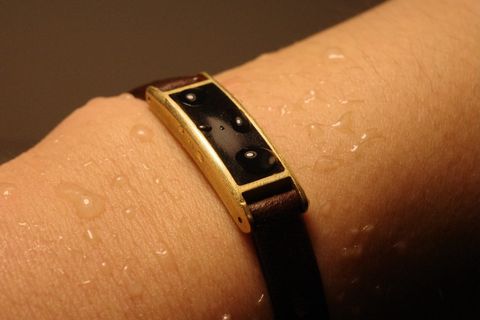 Can a Solar Fitness Tracker Get Through Winter? Start With Your SleevesA solar tracker can still collect energy in winter, as long as your sleeve isn’t covering it.
- How Tight Should a Fitness Tracker Be? Secure Shouldn’t Mean SqueezingSecure enough to stay in contact with your skin, without squeezing.
- Fitness Trackers for Climbers: Keep Your Fingers FreeWant everyday health data without a ring on your fingers? A wrist tracker keeps them free.
- Fitness Trackers for Sensory Sensitivity: Comfort Comes FirstWhen a watch feels distracting on your skin, start with what bothers you, not the feature list.
- Fitness Trackers for Dancers: Less Bulk on the Dance FloorA tracker that feels fine on a treadmill can get in the way during a turn.
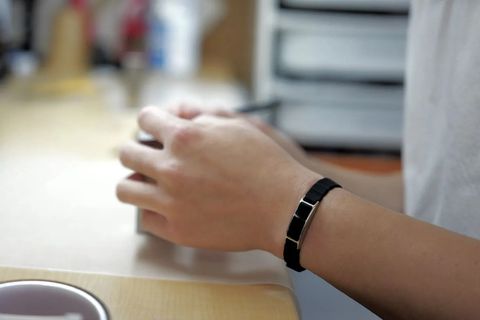 Fitness Trackers for Musicians: Keep Your Wrists Free to PlayA sliding case or bulky clasp can be more noticeable than the tracker itself.
- Fitness Trackers for Typing: When the Clasp Hits the DeskA tracker can feel comfortable on a walk and irritating at a keyboard.
- Fitness Trackers for Camping: One Less Battery to Plan AroundDaytime activity, a night in the tent and one less charging cable to pack.
- Can You Turn Off Bluetooth on a Fitness Tracker? Here’s How Ray WorksYes. Ray lets you turn off Bluetooth on the tracker and sync on demand.
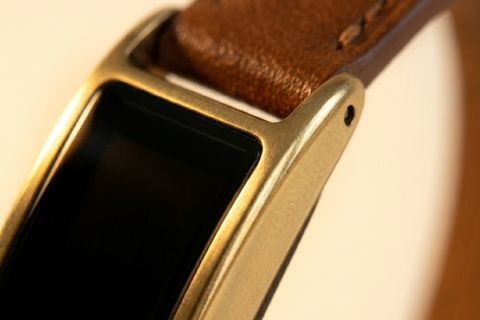 A Fitness Tracker That Isn’t Bulky: What to Look ForA non-bulky tracker fits your wrist, clears your sleeves and stays put without a tight strap.
- Fitness Trackers for Walking: Count Steps Without Another ScreenYour daily walk can add to your activity record and give your tracker some daylight at the same time.
- Fitness Trackers for Hiking: Less Weight, Less ChargingTrack your day on the trail and your night afterward, with one less charging cable in your pack.
Still weighing fitness trackers? Read what to look for in a tracker you'll want to wear every day.