Fitness Trackers for Dancers: Less Bulk on the Dance Floor
A tracker that feels fine on a treadmill can get in the way during a turn. For dancers, a secure, low-profile fit matters as much as the numbers it records.
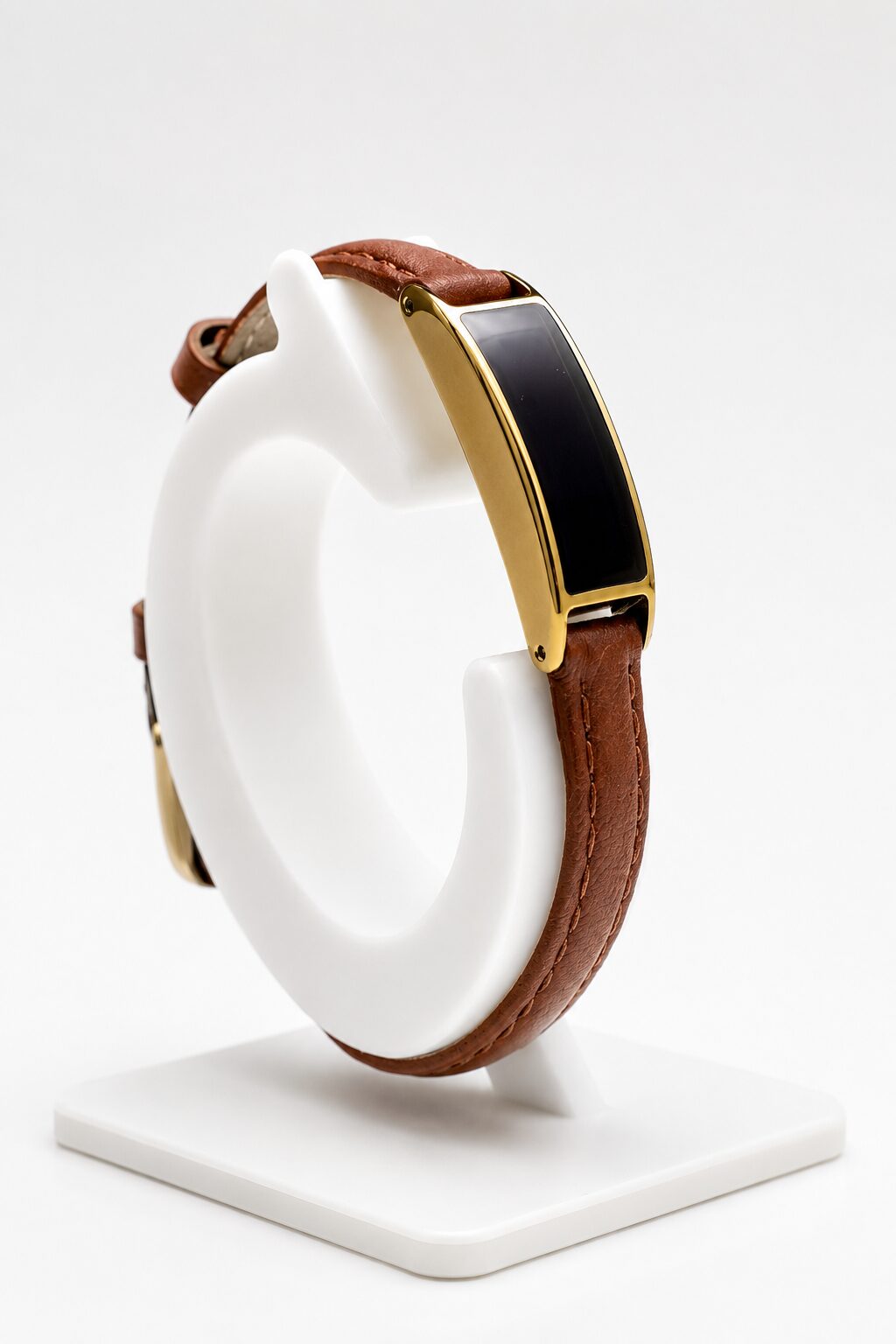
Start with the movements you actually dance
Raise your arms, bend your wrists and move through a familiar sequence. Does the tracker slide toward your hand? Does the buckle catch a sleeve? A loose bracelet can feel very different once you start moving quickly.
Partner dancing adds another consideration: someone else may touch or slide past your wrist. A smaller device leaves less hardware in that space, but no wearable is guaranteed to stay out of the way. Follow your studio's rules and remove it when a hold, lift or costume makes it unsuitable.
Small and secure beats loose and heavy
Look at the whole setup, including the strap and clasp. Weight quoted for a sensor alone does not describe the entire band. You want steady skin contact without tightening it until wrist movement feels restricted.
Ray's device weighs seven grams before adding a band. Its screenless design keeps a display off your wrist during a class, rehearsal or evening out. Try the fit with your usual movements; the right setup for solo practice may be different from the one you want for partner work.
Dancing is more than a step count
Footwork, turns and arm movements do not map neatly to walking. A tracker may register arm movement without a footstep, or miss movement when your upper body stays still. Treat dance-session step totals as estimates rather than a score for your technique or effort.
Ray records activity, heart rate, HRV, sleep, temperature trends and light exposure. We have not validated it as a dance-specific tracker. Its role here is everyday tracking around your dance routine, not judging choreography or promising exact dance calorie counts.
Think beyond the class
For someone who dances regularly, the useful routine may be wearing a comfortable tracker through the rest of the day and overnight, then reviewing the app when convenient. Ray uses light to replenish its battery, although an indoor studio's ordinary lighting is not enough to rely on for charging.
See the sunlight and shade charging tests, and use our band-fit guide before deciding which setup belongs on your wrist.