Does Solar Charging Work Indoors? Ray’s Sun, Shade and Window Tests
Bright daylight beside a window can charge Ray. Ordinary room lighting is not enough.

How much light does Ray need?
These are the approximate exposure times from our charging tests. Each replaces one day of operation at the same settings.
| Light source | Time for one day of use |
|---|---|
| Direct sunlight | 1–2 minutes |
| Outdoor shade | 10–15 minutes |
| Bright daylight beside a window | About 1 hour |
| Ordinary room lighting | Not sufficient |
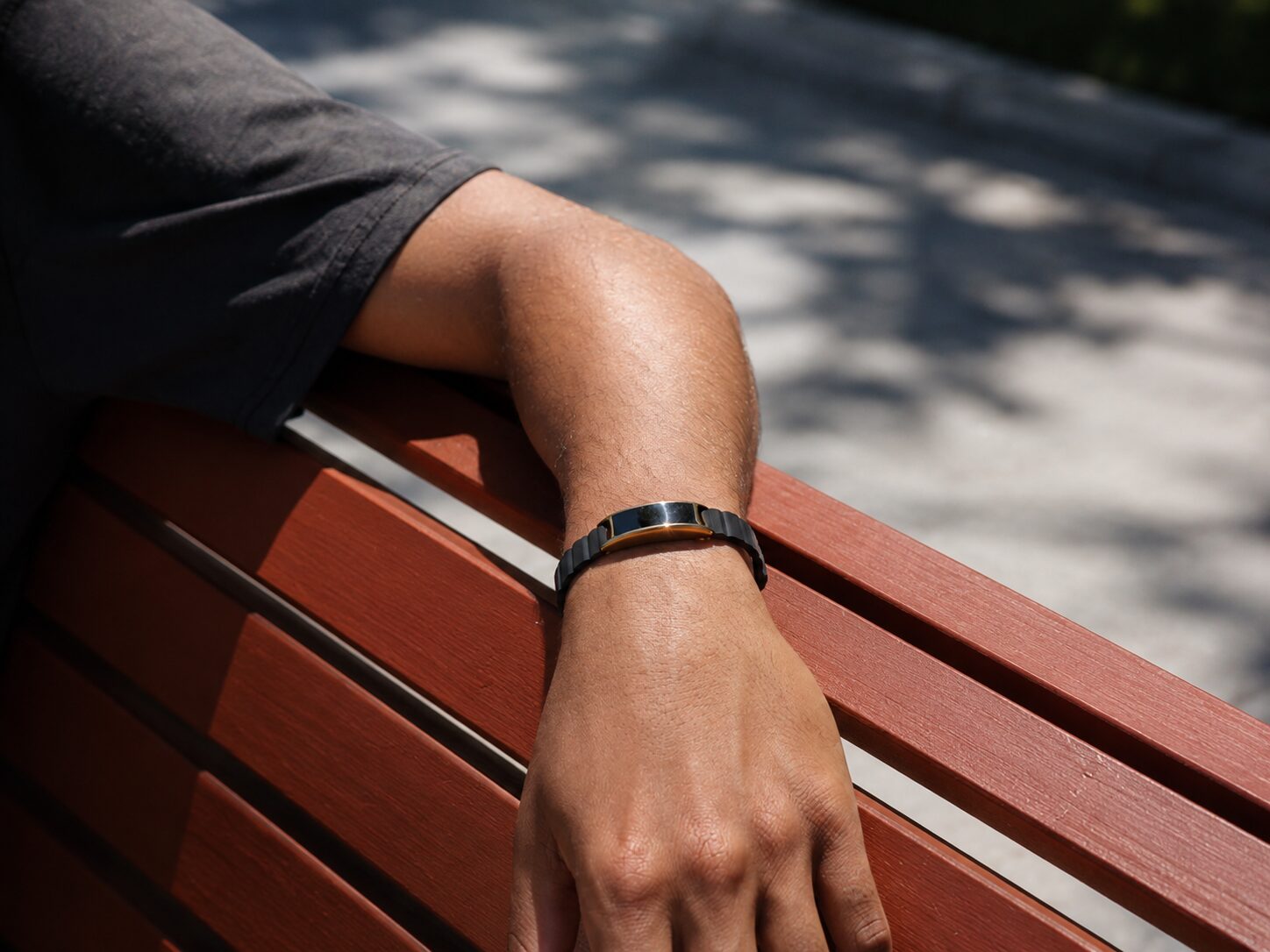
Weather, window glass, angle and device settings affect the result. Keep the light-collecting surface uncovered; a sleeve blocks light even when you are outside.
Why a bright room may not be enough
Your eyes adjust to indoor light, so a room can look bright while providing much less energy than daylight outside. Sitting beside a sunlit window is different from sitting across the room under ceiling lights.
If you spend most of your day indoors, outdoor daylight is the simplest way to top up Ray. Bright window light can also work, but the amount depends on the window and where the device sits.
A daily top-up is different from a full charge
One or two minutes in sunlight replaces roughly a day's energy use. Filling an empty battery takes longer.
From a full charge, Ray has about two months of reserve, depending on settings and use. That stored energy carries it through periods with less light, so you do not need to follow the exposure table every day.
What about a flashlight?
A flashlight can supply light, but charging speed varies widely with the lamp, distance and angle. There is no single flashlight timing to rely on. Daylight is the more practical routine.
An easy way to keep it powered
Let Ray see daylight regularly and check the battery trend in the app. If it is falling over time, give it more exposure. A walk outside or time beside a bright window can help keep it topped up.