Fitness Trackers for Sensory Sensitivity: Comfort Comes First
When a watch feels distracting on your skin, more features will not make it easier to wear. Start with the pressure, texture and movement that bother you, then choose a tracker and band around those needs.
Name the part you cannot ignore
For some people it is the weight. For others it is a sweaty strap, a hard clasp, the case moving when they type or a screen lighting up in a dark room. Those are different problems, even if they all end with the watch in a drawer.
Think about your last wearable. When did you take it off, and what felt better as soon as you did? That answer is a more useful starting point than a long specification sheet.
Treat the band as part of the device
A small sensor can still feel uncomfortable on the wrong band. Look at the surface against your skin, the adjustment range and where the fastening sits. Check the materials if you have a known sensitivity; low weight does not mean a product is hypoallergenic.
Try ordinary movements: typing, bending your wrist, pulling on a sleeve and lying down. Aim for consistent skin contact without squeezing. If the band is loose enough to slide, movement can become the new distraction. Our fit guide explains what to check.
Where Ray may help
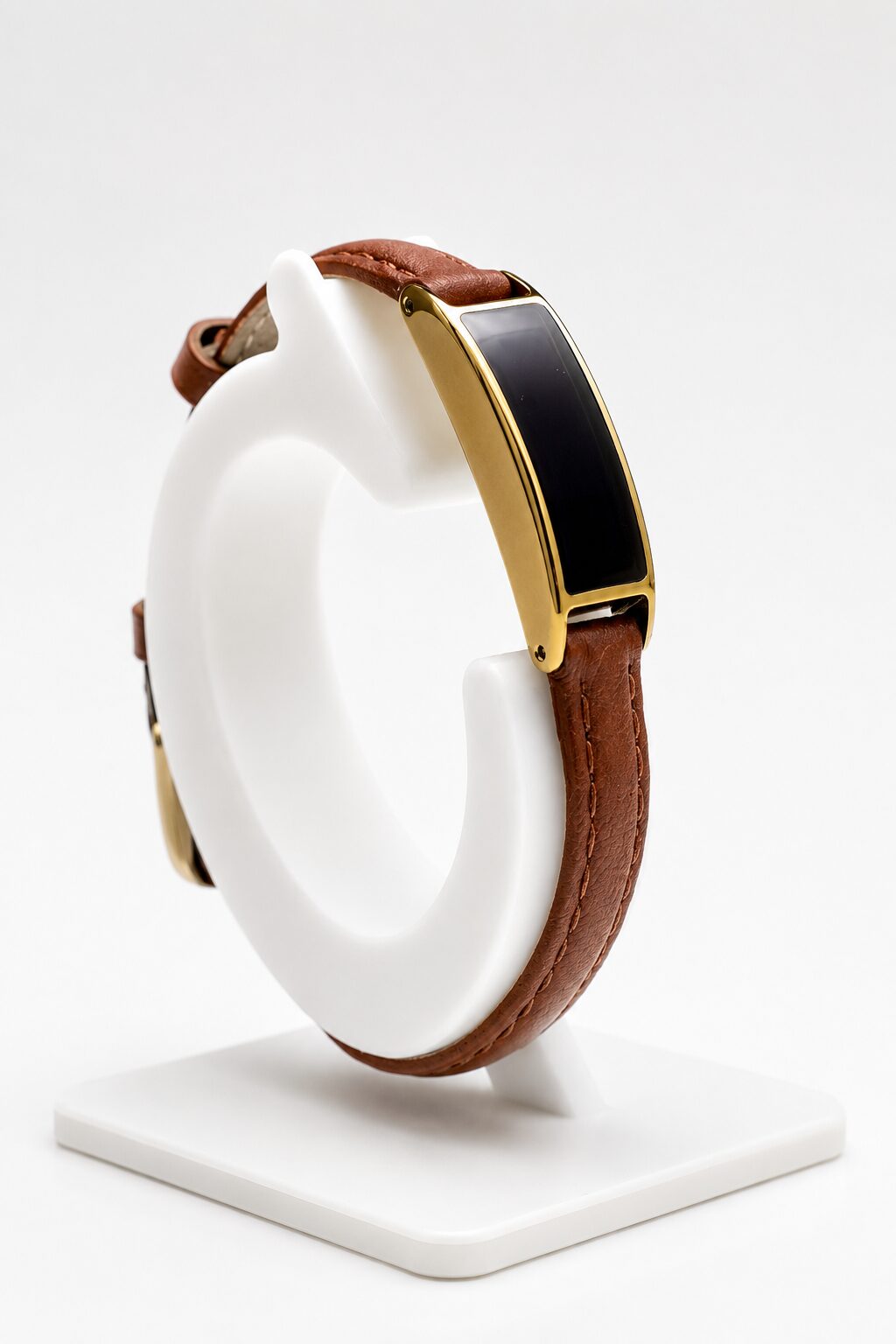
Ray's device weighs seven grams before adding the band. It is small and screenless, so there is no display on your wrist to look at. It tracks sleep, heart rate, HRV, temperature trends, activity and light exposure, with results in the companion app.
That combination may suit someone whose main objections are bulk or a wrist screen. It cannot guarantee sensory comfort. Band material, pressure and individual preference still matter, and some people prefer not to wear a sensor against their skin at all.
Comfort can change during the day
A combination that feels fine while walking may feel different after a sweaty workout or in bed. Keep the device and skin clean and dry as appropriate, adjust the fit and take it off if it irritates you. You do not have to force yourself to get used to a poor fit to collect useful data.
For pressure under a pillow, see sleep tracking for side sleepers. For distraction from technology, see tracking for digital minimalists.
Less hardware to think about
Ray uses daylight to replenish its battery, which can reduce charging interruptions. Ordinary room lighting is not enough; check the light requirements. The aim is a small tracker that fits a comfortable routine, rather than another item you have to tolerate.
Choose a tracker by how it feels, as well as what it records.
Explore Ray’s size and bands Ask a question