An honest health-tracker comparison
Ray vs. Motiv Ring
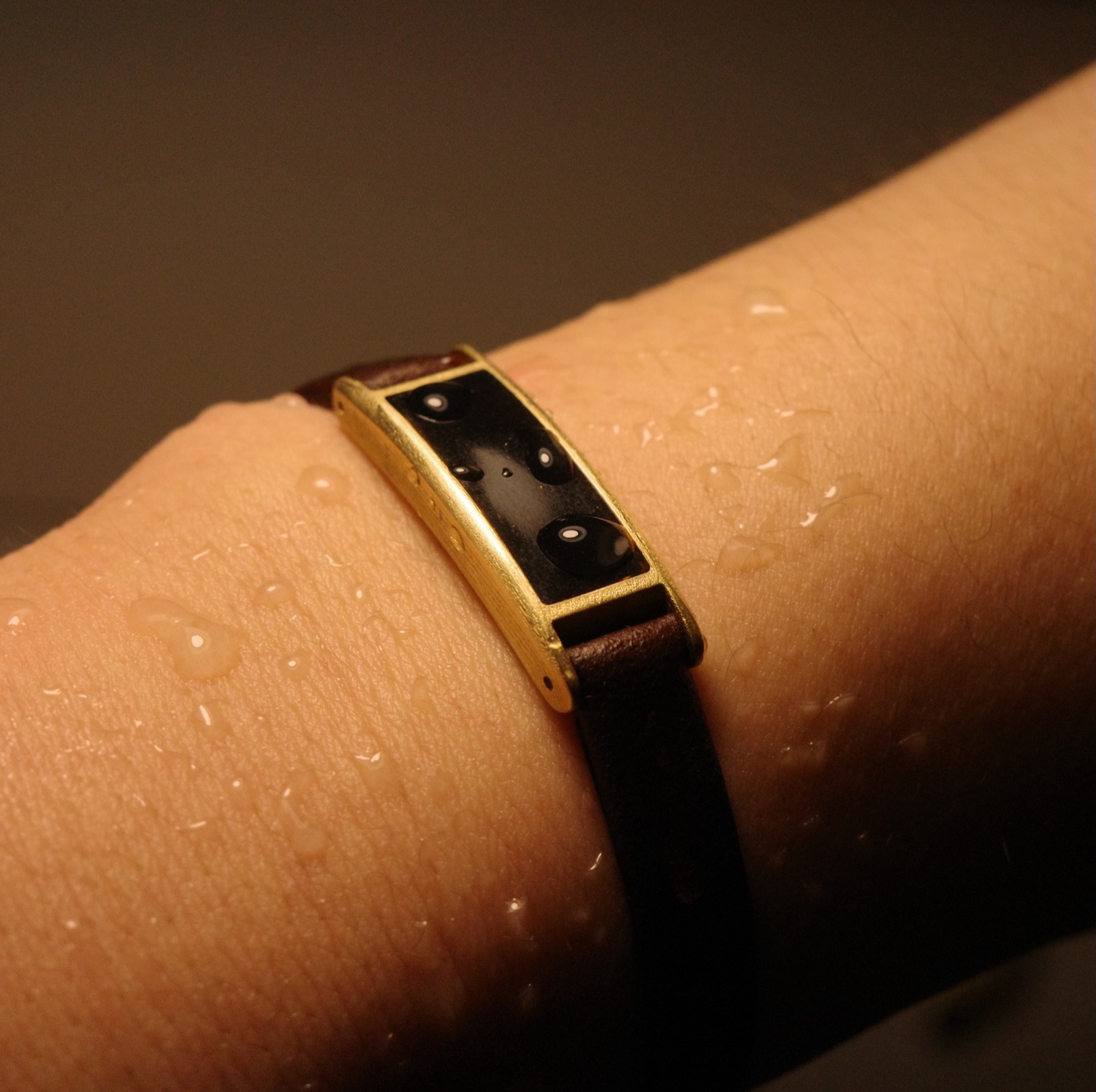
Motiv Ring belongs to an earlier wearable generation. This page looks at what it did well, what still works, and what buying a supported tracker changes today.
The short answer
Motiv Ring helped define wearable tracking, but it is now a legacy product with limited or discontinued service support. Ray is the practical choice for a new everyday tracker; this comparison is mainly useful if you still own one or are considering used hardware.
The useful differences
Side by side.
Specs are manufacturer claims and US pricing snapshots, not lab-test results. A blank promise is less useful than a clear tradeoff, so we keep this list deliberately practical.
| What changes | Chargerless Ray | Motiv Ring |
|---|---|---|
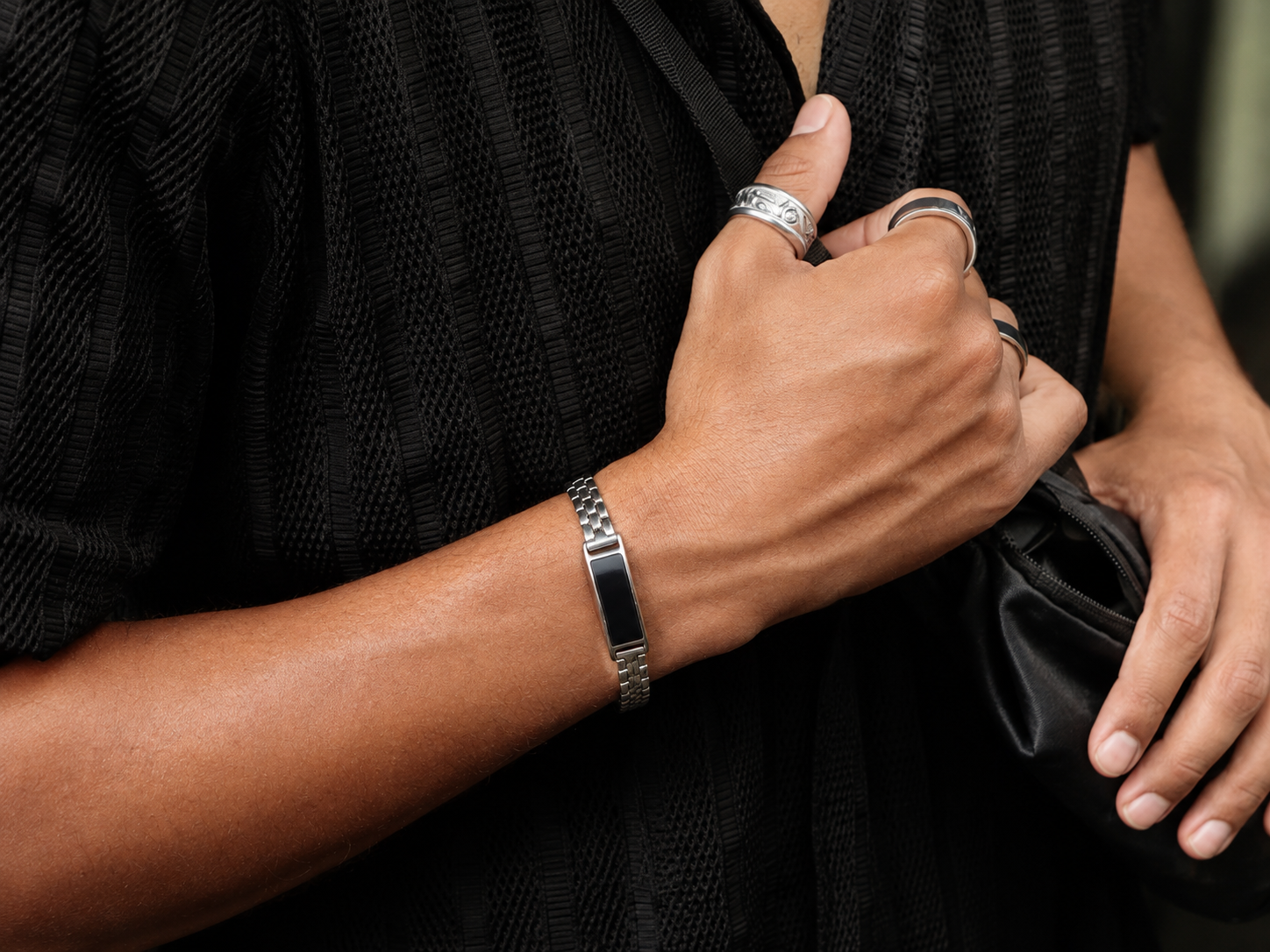
| Format | Screen-free wristband | Smart ring |
| Power | Light powered; no charging routine | Rechargeable; about 3 days |
| Screen | None | None |
| US price | $199 silver / $229 gold | Discontinued |
| Required subscription | None | Service discontinued |
| Core tracking | Sleep, heart rate, HRV, temperature, steps and light exposure | Activity, sleep and resting heart rate |
Choose by priority
Neither wins every category.
The best tracker is the one whose compromises fit your life—and that you will actually keep wearing.
Ray's case
No cable. No screen. No subscription.
Ray is supported, light-powered and substantially more capable.
Motiv Ring's case
Pick it for what Ray leaves out.
Motiv was exceptionally compact and helped prove the smart-ring category.
Research note. Competitor facts were checked against Motiv historical product page on August 20, 2026. Prices, promotions, regional features and announced-product timelines can change. Ray details reflect the current Chargerless product page. Neither product is a substitute for medical care.
Wear your health. Not a charger.
Ray tracks the essentials in a 7-gram bracelet powered by light. Silver starts at $199. Gold starts at $229. No required subscription.
See Ray optionsBrowse all 38 comparisons