Best Fitness Tracker for Travel: The Case for Leaving the Charger Behind
Everyday health tracking without packing another charging cable.

Why Ray is our pick for fewer charging chores
A tracker is easy to wear out the door. Its charging cable is easy to leave on the bedside table.
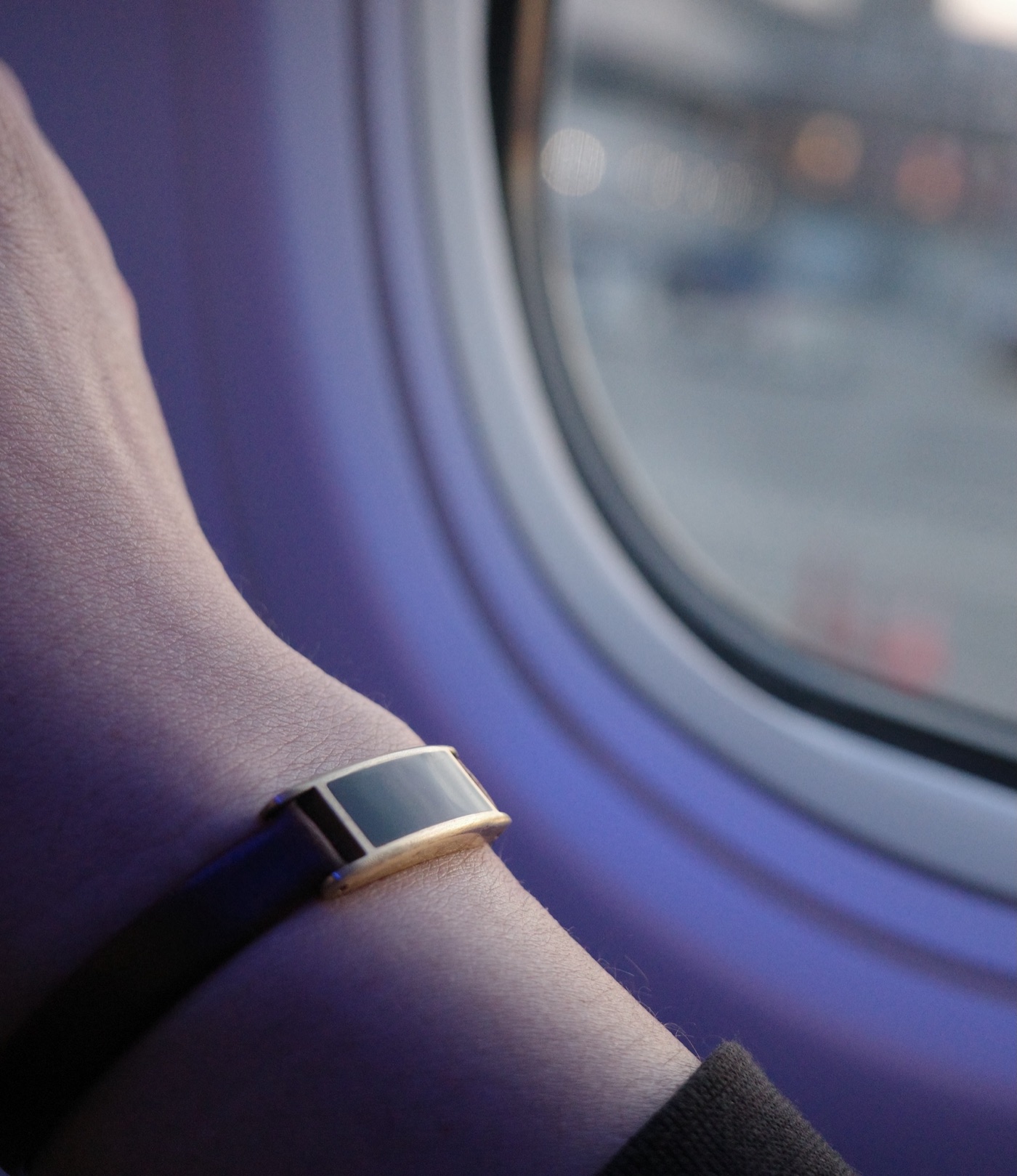
Ray removes that particular packing problem. It collects energy from light, so you can top it up without a dedicated charger while you are away.
Daylight keeps it topped up
Under our test settings, 1–2 minutes in direct sunlight replaces about a day's use. Outdoor shade takes around 10–15 minutes; bright daylight beside a window takes roughly an hour.
A daytime walk can give Ray useful exposure. A device under a sleeve or inside a bag will collect less light. Ordinary room lighting is not sufficient. See the charging guide for the full table.
Check the battery before you leave
From a full charge, Ray has about two months of reserve at roughly five-minute sampling intervals. More frequent sampling, step counting and Bluetooth reconnects can shorten that. That gives you a buffer for long journeys and indoor days.
Start by checking the actual battery level in the app, especially before a trip with little daylight. You can give it extra exposure before departure if it needs a top-up.
Comfort matters on long days
A tracker should feel comfortable on a flight, under a jacket and in bed. Ray's 7-gram, screenless design keeps it small and leaves the detailed results to your phone.
Set up the app before your trip. If you plan to spend long periods away from your phone, check the current syncing and storage guidance before leaving.
Ray records sleep, heart rate, HRV, temperature trends, activity and light exposure, so you can look back at your routine while traveling—with one less charging accessory in your bag.