Oura for Your Wrist? A Screenless Alternative to Smart Rings
Like the idea of Oura but not the ring? Ray is a screenless wrist alternative, made by Chargerless, not Oura.

The appeal is the tracking, not necessarily the ring
You want to understand your sleep and see how your everyday habits show up in your data. But you already have rings you like, dislike the feeling of one around your finger, or spend time gripping weights and climbing holds.
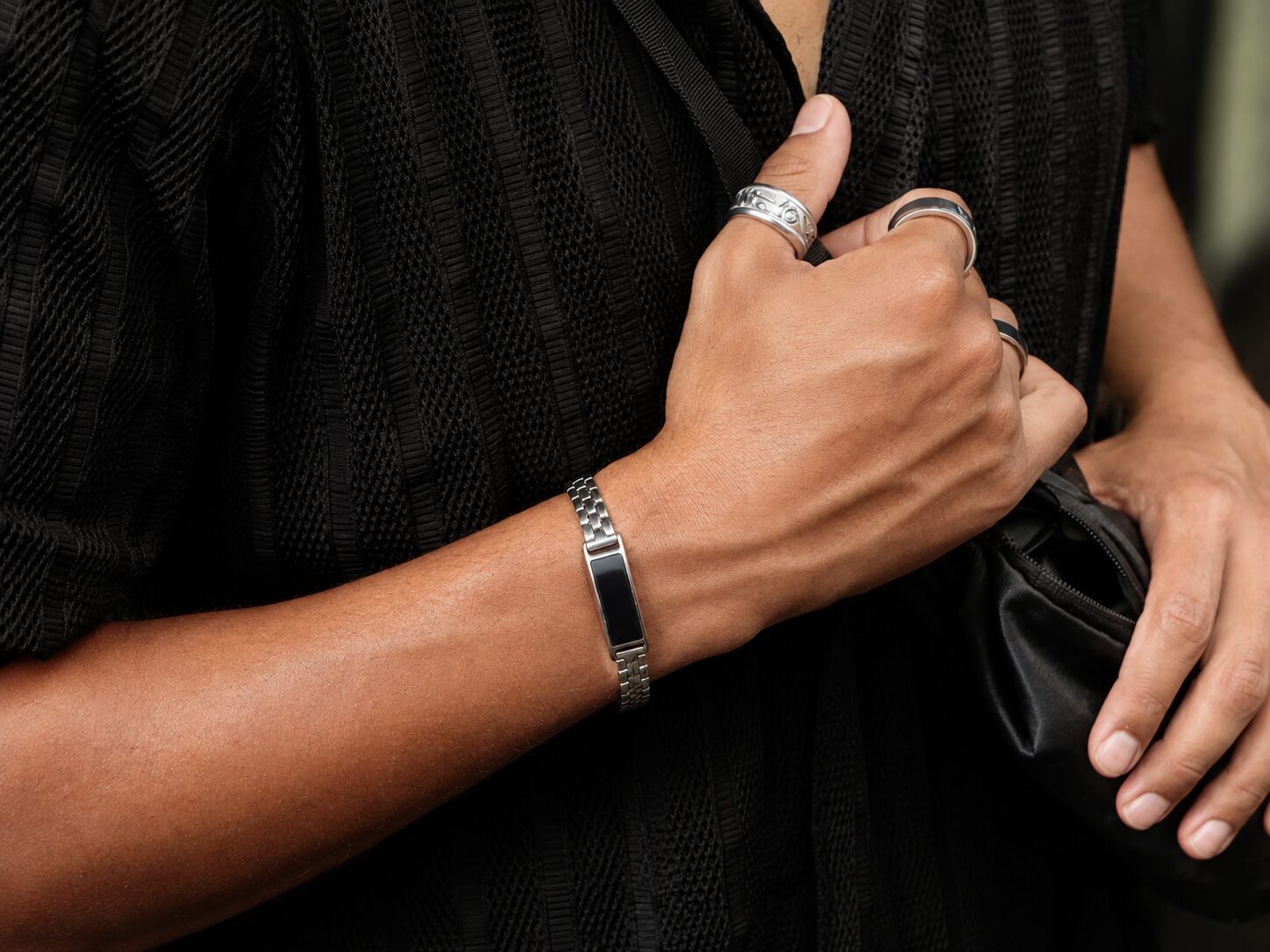
That is the useful question behind “Oura for the wrist”: can you get quiet, everyday health tracking in a form you would rather wear?
What Ray tracks
Ray records sleep, heart rate, HRV, temperature trends, activity and light exposure. It has no screen; results live in the companion app. The device weighs seven grams before adding a band.
Those features make Ray relevant to someone looking for a ring-free tracker. They do not make the two products interchangeable. Do not assume Oura's scores, integrations or features are included in Ray. Start with the actual information you want to see and check that Ray's app provides it.
Leave your fingers free
A wrist band lets you keep your existing rings, wear no rings, or avoid a sensor where you grip a bar. It also gives you a different way to adjust the fit. The band should keep the sensor against your skin without squeezing.
If climbing is part of your routine, read our guide to ring-free tracking for climbers. Device placement and freedom of movement still matter; changing from a ring to a band does not remove every fit consideration.
A different charging routine
Ray replenishes its battery from light. Under our test settings, about 1–2 minutes of direct sunlight replaces a day's use; a full battery has about two months of reserve, depending on settings and use.
Indoor room lighting is not enough to keep it powered. Sleeves, weather and angle affect charging. The sun, shade and window guide explains what to expect.
Choose the form you will keep wearing
If a ring is exactly what you want, a wrist band solves a problem you do not have. If your hesitation is the ring itself, Ray offers another way to keep a record of your sleep and activity. Look at its size, band choices and app together, rather than expecting an Oura experience moved unchanged onto a wrist.
Sleep and everyday health tracking, with your fingers free.
Explore Ray for your wrist Ask a question