Smart Ring vs Fitness Band: What Changes When You Wear One Every Day?
A smart ring keeps your wrists free. A fitness band keeps your fingers free.

Think about when you would take it off
A ring can feel natural if you already wear jewelry on your hands. A band may suit you better if gripping weights or equipment makes you want to remove a ring.
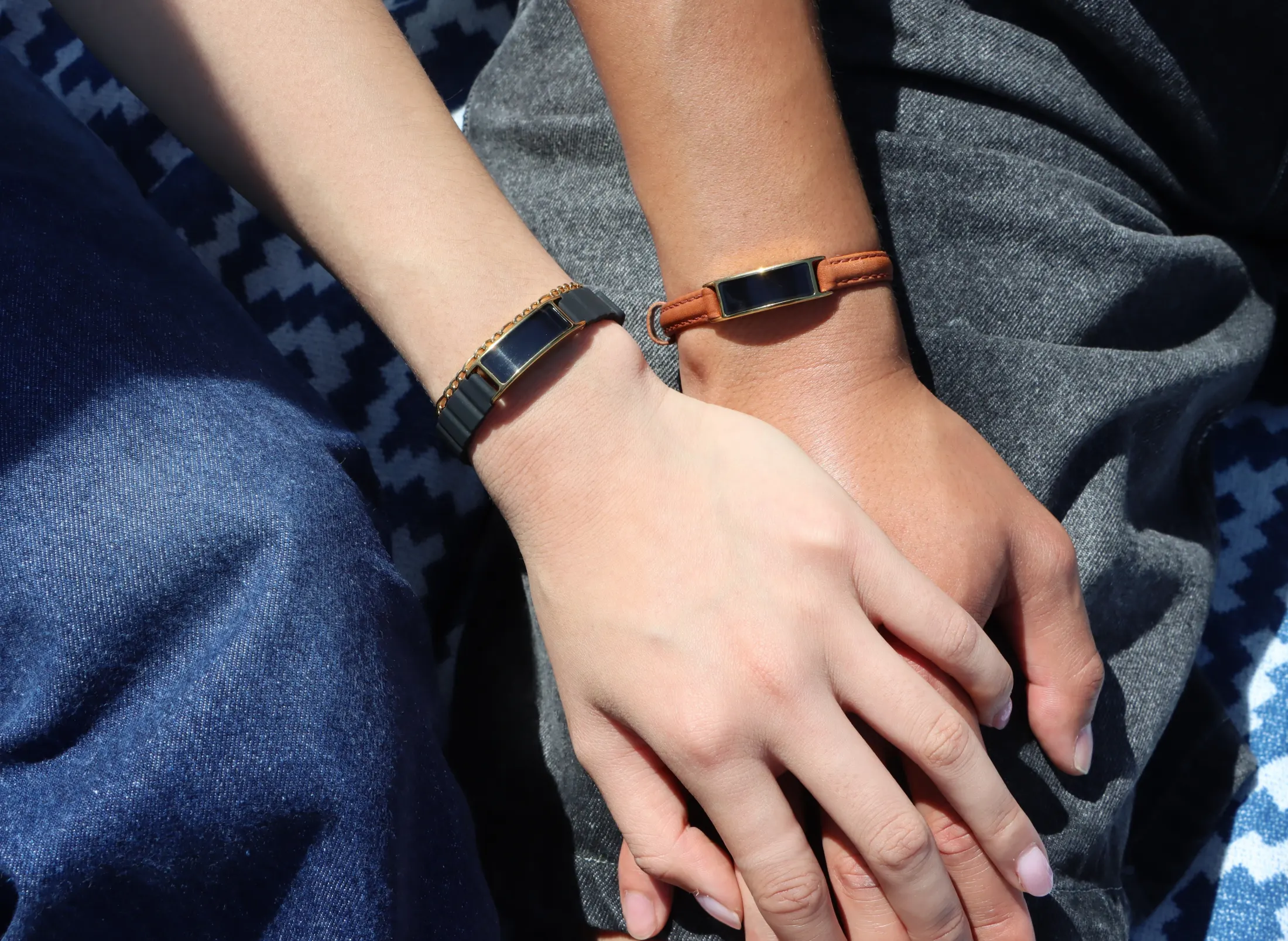
Think beyond workouts: typing, carrying bags, wearing a watch and sleeping all affect how a device feels over a full day.
The everyday differences
| Smart ring | Fitness band | |
|---|---|---|
| Fit | Choose a ring size | Adjust a wrist strap |
| Wrist space | Leaves room for your watch | Uses one wrist |
| Grip | Sits between your finger and what you hold | Leaves your fingers clear |
| Display | Usually app-based | Screened and screenless options |
For Oura specifically, its care guidance suggests considering removal during high-friction activities such as weightlifting.
Compare the features you will use
Sleep, heart rate and activity tracking appear in both categories. The app, supported activities and scores vary by product, so compare those details rather than choosing by shape alone.
Oura, for example, supports activity detection. Ray tracks sleep, heart rate, HRV, temperature trends, activity and light exposure in a screenless wrist band.
Compare charging routines too
Many rings and bands use a dedicated charger. Ray instead replenishes its battery with light and has about two months of reserve from a full charge, depending on use. It needs useful daylight; ordinary room lighting is not sufficient.
Pick the device you want to keep wearing
Choose a ring if keeping your wrist free is the priority. Consider a band if you prefer clear fingers or an adjustable strap. Ray is an option for a light, screenless band that uses daylight for power. For a closer comparison, read Ray as an Oura alternative.