A WHOOP alternative. Powered by light.
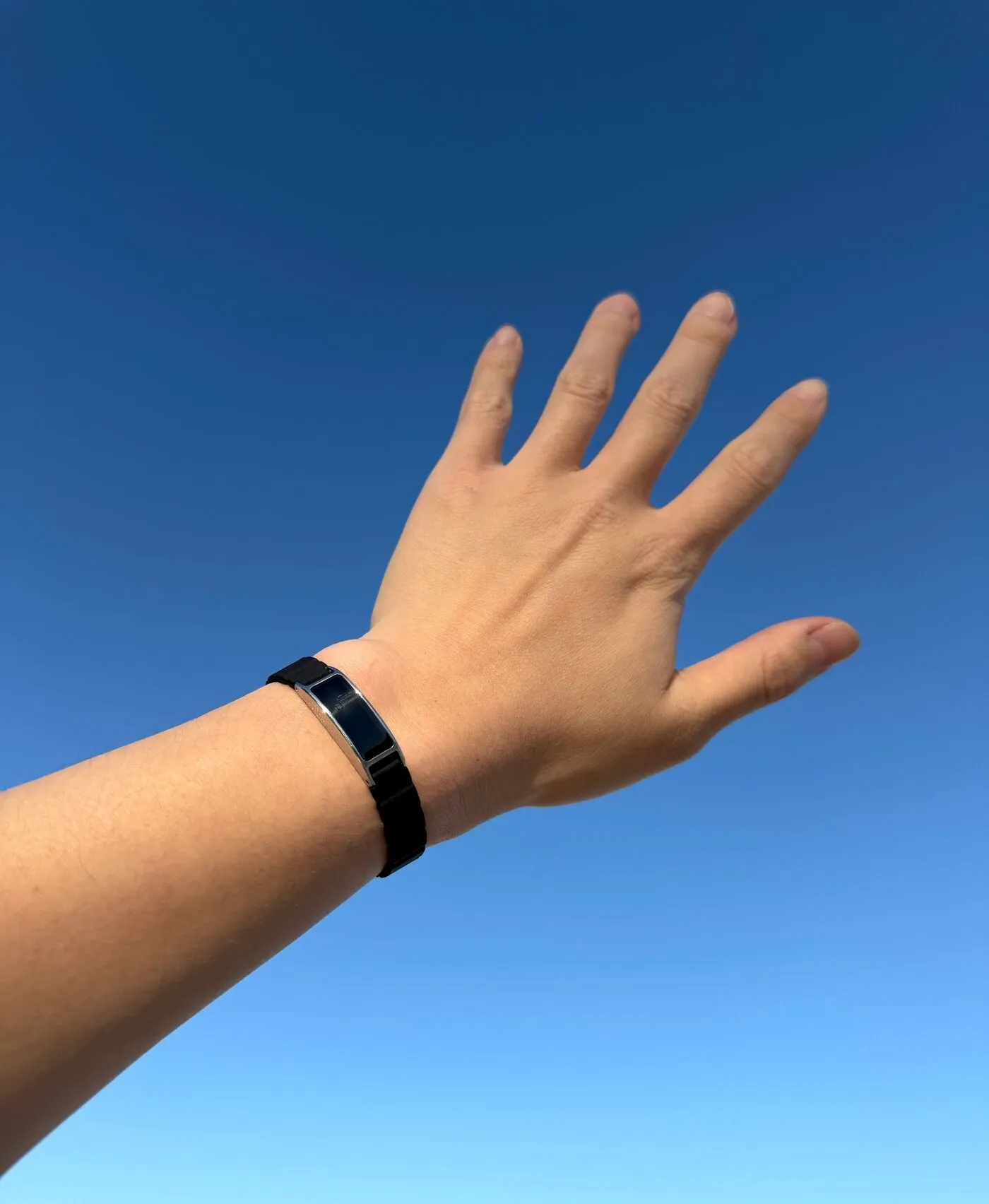
Ray is a 7-gram, screen-free wrist tracker that focuses on everyday health signals, rather than WHOOP’s strain and recovery coaching.

WHOOP is a screen-free band built around strain, recovery and sleep coaching, and it comes with an annual membership. If you like the idea of a quiet, screen-free tracker but don’t need that coaching, Ray is an alternative: a 7-gram bracelet you buy once, with no membership, that powers itself from light and focuses on everyday health signals instead of training scores.
The short answer
Consider Ray if you want a light, screen-free bracelet for sleep and everyday health tracking, and would prefer to power it with light. Choose WHOOP if strain, recovery scores and established training coaching are central to how you exercise.
Both are screen-free, app-connected wearables. Ray’s health signals do not replicate WHOOP’s coaching system.
WHOOP status: Currently sold.
Side by side
Specs are manufacturer claims and US pricing snapshots, not lab-test results. A blank promise is less useful than a clear tradeoff, so we keep this list deliberately practical.
| What changes | Chargerless Ray | WHOOP |
|---|---|---|
| Power routine | Harvests light; needs sufficient exposure. About 60 days of dark reserve from full charge. | 14+ days per charge; rechargeable. |
| Wear experience | 7-gram, screen-free bracelet; details in the app. | Screen-free wearable; details and coaching in the app. |
| Everyday health | Sleep, heart rate, HRV, temperature trends, steps/activity and light exposure. | Sleep, heart rate, HRV and activity, with strain and recovery coaching; additional features depend on tier. |
| Training guidance | Focuses on everyday health signals; not a replacement for WHOOP’s coaching system. | The stronger fit when established strain, recovery and training guidance drive your choice. |
| ECG | Not available. | On-demand ECG on WHOOP MG with Life membership, for eligible users aged 22+ in supported markets; not on WHOOP 5.0. |
Ray at a glance
- Weight: 7 grams, as specified by Chargerless.
- Power: Light harvesting with outdoor exposure as the practical routine. Chargerless says about one minute of direct sunlight outdoors per day can sustain operation, depending on exposure and use.
- Dark reserve: Up to about 60 days in total darkness from a full charge, according to Chargerless. This is stored energy, not energy generated without light.
- What it tracks: Sleep, heart rate, heart-rate variability (HRV), temperature trends, steps and activity, and light exposure.
- How you use it: Wear the screen-free bracelet and view your health trends in the companion app.
- Limits: Ray does not provide ECG or WHOOP’s strain and recovery coaching. Shared metric names do not establish equal measurement accuracy.
Ray specifications here are Chargerless’s own product claims, not independent head-to-head test results.
Still weighing fitness trackers? Read what to look for in a tracker you'll want to wear every day.
Neither wins every category
The best tracker is the one whose compromises fit your life—and that you will actually keep wearing.
Why choose Ray
If you want to wear a small bracelet, follow sleep and everyday health trends, and reduce the need to remember a charger, Ray is worth considering. Regular light exposure remains part of using it.
Why choose WHOOP
If you plan workouts around WHOOP’s strain and recovery scores, switching means changing that workflow. Keep WHOOP on your shortlist if those scores, its coaching system or eligible MG ECG features matter more to you.
Five-year cost
A simple comparison using today's US list prices. It is not a forecast of promotions, future price changes or replacement cycles.
- Chargerless Ray: $219–$249
- WHOOP: $995–$1,795
Five years at current US annual list prices: One $199/year, Peak $239/year, Life $359/year. One and Peak include WHOOP 5.0; Life includes WHOOP MG. Promotions, taxes, future price changes and replacement hardware excluded.
Common questions
Does Ray need sunlight every single day?
Not necessarily: its stored charge provides a buffer. Chargerless specifies up to about 60 days in darkness from a full charge. The one-minute-per-day claim refers to direct sunlight outdoors. Do not rely on ordinary room lighting; strong daylight next to a window can contribute.
Does Ray have a screen?
No. Ray is screen-free, and you view results in its companion app. WHOOP is also screen-free, so this is a shared feature rather than a Ray-only advantage.
Can Ray replace all WHOOP features?
No. Ray covers everyday signals including sleep, heart rate and HRV, but does not reproduce WHOOP’s strain and recovery coaching or the ECG available on eligible WHOOP MG plans.
Is this an independent review?
No. This guide is published by Chargerless, the maker of Ray. We link manufacturer sources below and separate specifications from buyer-fit judgments. We have not presented a controlled accuracy comparison between Ray and WHOOP.
Research note. Competitor facts were checked against WHOOP’s product pages on September 8, 2026. Prices, promotions, regional features and announced-product timelines can change. Ray details reflect the current Chargerless product page. Neither product is a substitute for medical care.
- WHOOP Peak: WHOOP 5.0, battery and training/recovery features.
- WHOOP Life: WHOOP MG and on-demand ECG eligibility. Features vary by market and eligibility.
- WHOOP ECG guidance: ECG eligibility and use.
- Chargerless technology: Light harvesting, direct-sun claim, dark reserve, weight and tracking features.
- Ray charging observations: Sun, shade and window charging times for Ray.
Meet Ray: a lightweight, screenless tracker powered by light.
Explore Ray Read the existing Ray vs. WHOOP comparison Compare other trackers