Before you buy Luna Ring 2.0
A $300 subscription-free smart ring, compared with a light-powered band.

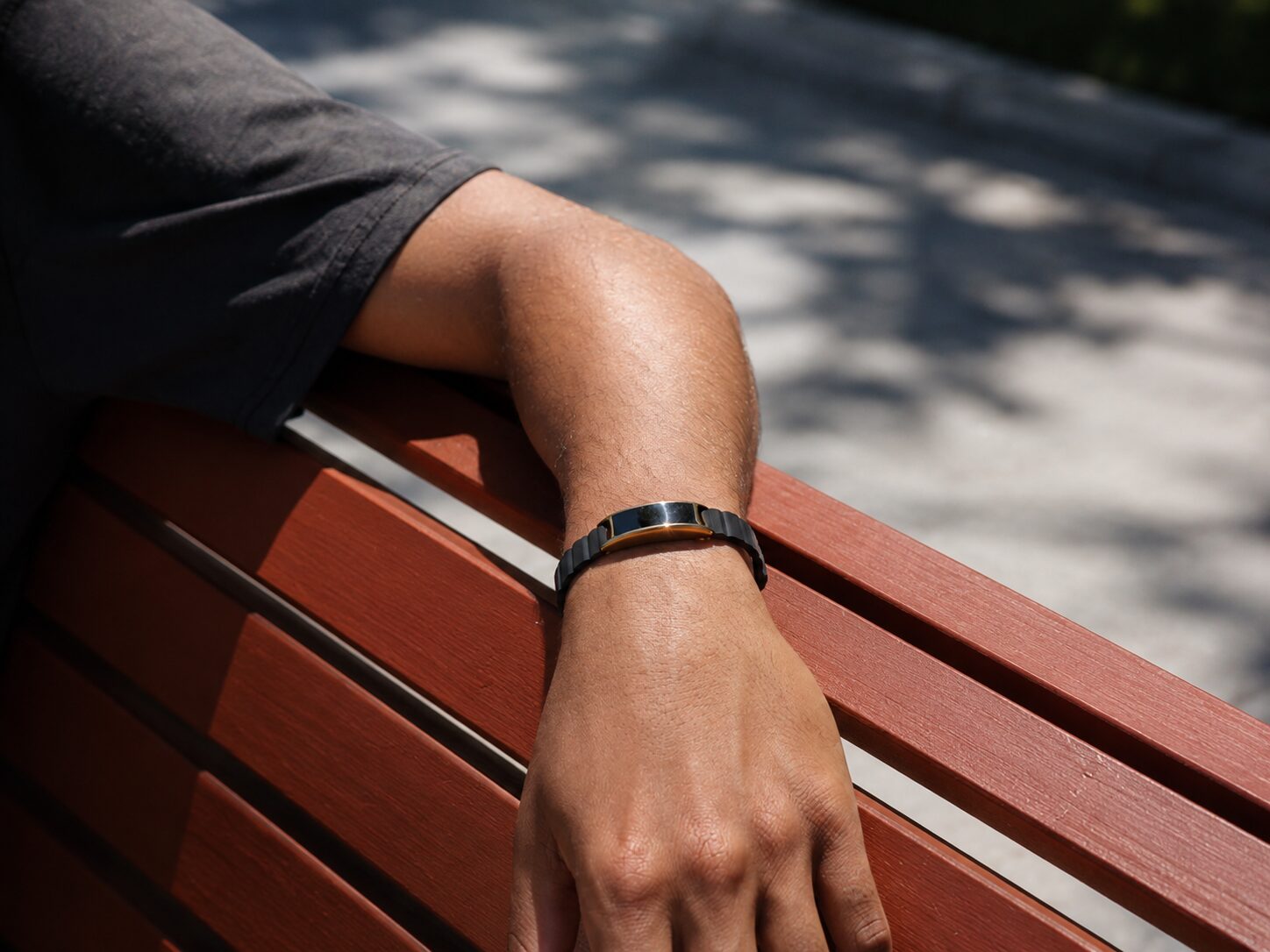
Luna Ring 2.0 is a $300 smart ring with no subscription and blood-oxygen sensing. It lasts up to five days per charge, and its case holds up to 30 days of extra power. Ray also has no subscription, but it's worn on the wrist, uses swappable watch-style bands and runs on light.
The short answer
Choose Luna if you want a compact ring with blood-oxygen tracking and no fees. Choose Ray if you'd rather wear a band and skip charging entirely.
Luna Ring 2.0 status: Currently sold.
Side by side
Specs are manufacturer claims and US pricing snapshots, not lab-test results. A blank promise is less useful than a clear tradeoff, so we keep this list deliberately practical.
| What changes | Chargerless Ray | Luna Ring 2.0 |
|---|---|---|
| Format | Screen-free wristband | Smart ring |
| Power | Light powered; no charging routine | Rechargeable; up to 5 days, case up to 30 days |
| Screen | None | None |
| US price | $219 silver / $249 gold | $300 |
| Required subscription | None | None |
| Core tracking | Sleep, heart rate, HRV, temperature, steps and light exposure | Sleep, readiness, activity, HR, HRV, temperature and SpO₂ |
Still weighing fitness trackers? Read what to look for in a tracker you'll want to wear every day.
Neither wins every category
The best tracker is the one whose compromises fit your life—and that you will actually keep wearing.
Why choose Ray
Ray runs from light and uses familiar, swappable watch bands.
Why choose Luna Ring 2.0
Luna is a compact ring and includes SpO₂ tracking.
Research note. Competitor facts were checked against Luna Ring 2.0 product page on August 20, 2026. Prices, promotions, regional features and announced-product timelines can change. Ray details reflect the current Chargerless product page. Neither product is a substitute for medical care.
Wear your health. Not a charger. Ray tracks the essentials in a 7-gram bracelet powered by light. Silver starts at $219. Gold starts at $249. No required subscription.
See Ray options Browse all 38 comparisons